Enhance Your Surroundings: The Power of Skilled Architectural Design Support
Professional architectural design services play a fundamental role in reshaping environments. These services merge practicality with visual appeal, ensuring that each project meets both practical needs and visual standards. Professionals apply innovative strategies and environmentally conscious practices, adapting their creations to fulfill local needs. Still, a great number of people are uninformed about how these solutions can reveal the hidden possibilities within their spaces. Exploring the multifaceted advantages of engaging an architect reveals insights that could redefine any space.
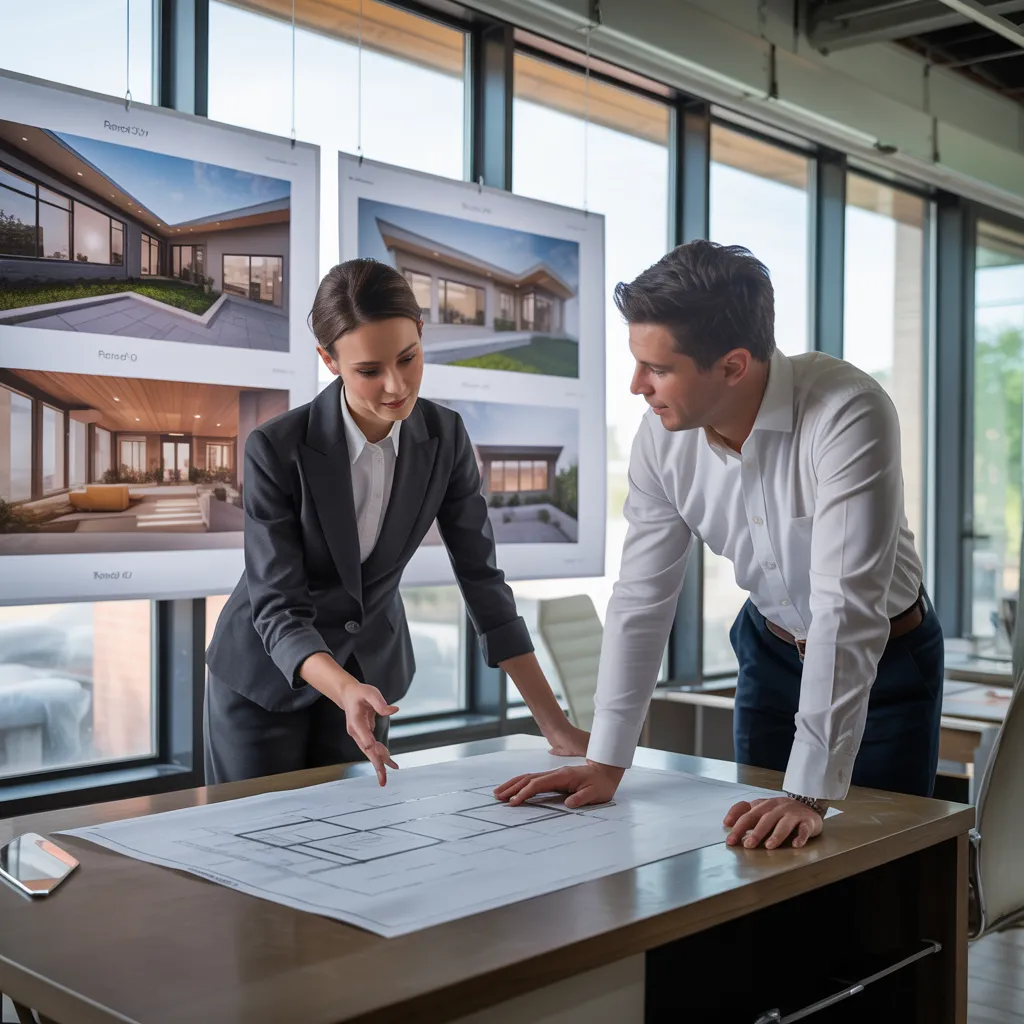
Unlocking the Value of Professional Architectural Design
Showcasing the benefits of skilled architectural practice is vital for maximizing both functionality and aesthetic appeal in any development. Professional architectural practice goes beyond simple visual appeal; it combines the principles of space planning, environmental sustainability, and structural integrity. By employing advanced techniques and a comprehensive understanding of construction materials, architectural professionals create spaces that are not only visually compelling but also practical and efficient.
In addition, skilled architects evaluate the unique aspects of every project, including local regulations, climate, and community needs. This holistic strategy confirms that the overall design is not only innovative but also perfectly suited to its environment. They utilize modern technological tools, such as advanced 3D modeling, to offer clients a detailed preview of the completed design. Ultimately, choosing professional architectural design services produces significant long-term gains, enhancing both the experience of the occupants and the overall value of the property.
Key Benefits of Hiring an Architect for Your Design Project
Employing an architect for a construction project offers numerous advantages that improve both the process and the end result. Architects contribute valuable expertise, ensuring that projects follow local regulations and building codes, which can help avoid significant issues down the line. Their ability to produce detailed plans and specifications serves to simplify the construction process, minimizing delays and miscommunication among building professionals.
Furthermore, architects are proficient in project management, coordinating the key elements of the design and construction phases. This management assures that schedules and financial plans are followed, giving clients confidence and reassurance. In addition, architects are capable of spotting potential challenges during the early stages of planning, creating opportunities for proactive problem-solving. Their knowledge of materials and construction methods may result in innovative solutions that enhance performance and environmental impact. At the end of the day, partnering with an architect not only transforms the design outcome but also enhances the overall experience for clients.
Enhancing Aesthetics and Functionality Through Architectural Expertise
Architectural expertise plays an essential role in enhancing both aesthetics and functionality in construction endeavors. By employing innovative design solutions, optimizing space, and selecting sustainable materials, architects can create environments that are aesthetically pleasing and functional. This strategy not only meets client needs but also encourages sustainable practices.
Innovative Design Solutions
Groundbreaking design strategies reshape spaces by effortlessly merging beauty with practicality. Design experts employ innovative methods to fulfill a wide range of client expectations while improving visual comprehensive article impact. By employing materials, colors, and forms that resonate with the environment, designers create harmonious spaces that reflect individual identities. Modern technology, encompassing 3D design tools and virtual environments, facilitates detailed previews, empowering clients to explore designs before construction begins. Additionally, integrating sustainable practices guarantees that designs not only look good but also contribute to environmental conservation. Through careful consideration of light, space, and flow, these solutions maximize user experience and promote well-being. Ultimately, innovative design fosters a unique synergy between practicality and beauty, elevating the overall quality of living and working environments.
Space Efficiency Methods
Maximizing space involves thoughtful planning and design approaches that elevate both form and function. Professional architectural design services employ methods such as open-concept layouts, which remove redundant walls and promote a feeling of openness. Multi-functional furniture can be integrated to serve various purposes, ensuring that every square foot is utilized effectively. Additionally, thoughtful placement of windows and mirrors can create the illusion of larger spaces, drawing in natural light and enhancing visual depth. Architects also consider circulation patterns, ensuring that movement through a space is both intuitive and efficient. By prioritizing these optimization techniques, architects transform environments into harmonious areas that not only look appealing but also cater to the practical needs of their occupants.
Sustainable Material Choices
As sustainability becomes a priority, designers are turning more often to environmentally conscious materials that improve both visual appeal and performance. Making use of resources such as reclaimed wood, bamboo, and recycled metal not only reduces environmental impact but also brings distinctive charm to interiors. Such selections support a harmonious design, merging effortlessly with organic landscapes. Beyond this, integrating options such as low-VOC paints and energy-efficient glass boosts interior air quality and strengthens thermal efficiency, resulting in improved health and comfort for building occupants. By making deliberate and informed material selections, architects develop stunning and inviting settings that resonate with eco-conscious clients. This approach fosters a more responsible architectural practice, showing that visual appeal and eco-consciousness are fully compatible, while responding to the critical call for sustainable innovations in today's built environment.
How Technology Is Transforming Modern Architectural Designs
Currently, a wide range of technological advancements greatly influences architectural design, changing how structures are conceived and constructed. Building Information Modeling (BIM) allows architects to create precise 3D models, supporting better collaboration across stakeholders and delivering precision during the design process. Additionally, virtual reality (VR) and augmented reality (AR) permit clients to interact with spaces before they are created, making design decisions more thoughtful and deliberate.
Technology has also played a key role in advancing sustainability, with energy modeling software helping architects optimize building performance by analyzing energy demands and environmental consequences. Furthermore, advanced materials and construction techniques, such as additive manufacturing and prefabricated construction, streamline the construction process, lowering both time requirements and expenses. Drones and robotics are increasingly used for site surveys and inspections, supplying instant information that boosts both accuracy and worker safety. In summary, technology not only elevates creative expression but also ensures architectural designs fulfill current expectations for efficiency and environmental responsibility.
Common Misconceptions About Architectural Services
Numerous people hold misconceptions about professional architectural services, assuming they come with an exorbitant price tag and that architects only focus on building design. This limited perspective fails to acknowledge the diverse range of services architects provide, including project planning and professional consultation. Recognizing these misunderstandings is essential for appreciating the true value of architectural expertise.
Architectural Services Can Be Costly
The belief that architectural services come with an unaffordable price tag frequently arises from misunderstandings about their value and scope. Many individuals equate high costs with a lack of affordability, overlooking the long-term benefits that professional design can provide. Architectural services extend well beyond simply drafting blueprints; they involve extensive planning, regulatory compliance, and innovative problem-solving. Through investing in these professional offerings, homeowners frequently realize savings over time through better resource management, fewer building mistakes, and enhanced property worth. Moreover, the scale and detail of a project can considerably affect pricing, making it essential to understand that a well-planned design can lead to substantial financial savings. At its core, treating architectural services as a strategic investment rather than a mere expenditure can transform outlooks and strengthen understanding of their significance.
Architects Solely Design Buildings
One widespread myth is that architects only concentrate on constructing buildings. The fact is, their proficiency goes much further than basic building design. Architects contribute to city planning, landscape development, and interior spaces, maintaining cohesion across multiple elements. They partner with clients to design purposeful environments that elevate the standard of living. Moreover, architects are involved in sustainable development, weaving green practices into their design processes. They regularly take on public spaces, green parks, and civic projects, responding to societal requirements and upgrading urban frameworks. Moreover, architects provide valuable insights during renovation and restoration projects, preserving historical significance while adapting to modern needs. This versatile profession highlights their significance in influencing not only structures, but whole neighborhoods and surroundings.
Picking the Best Architect for Your Design Vision
How can one guarantee that the selected architect matches their specific design vision? Finding the right architect requires thoughtful evaluation of multiple aspects. Initially, looking through an architect's portfolio can offer a glimpse of their creative style and skill set. This approach enables future clients determine if the architect's prior designs resonates with their own aesthetic preferences.
Additionally, effective communication is vital. Taking part in preliminary consultations enables clients to communicate their ideas and expectations with clarity. A skilled architect's capacity to listen and reply with care demonstrates their dedication to grasping the client's vision.
Moreover, reviewing references and client feedback can reveal the architect's trustworthiness and expertise. It is important to confirm that the architect has relevant experience suited to the project's requirements, whether for residential or commercial purposes. Ultimately, a perfectly suited architect can bring a vision to life, making the hiring process pivotal for ensuring positive architectural results.
Success Stories in Architectural Design
Converting ideas into tangible results, remarkable architectural success stories demonstrate the profound influence of careful planning and innovative execution. One notable example is the revitalization of a century-old warehouse into a dynamic community space. Architects meticulously preserved the building's historic elements while integrating modern amenities, resulting in a space that fosters collaboration and engagement.
A further remarkable instance featured a sustainable living space initiative that employed eco-friendly materials and innovative design techniques. This strategy not only lowered carbon emissions but also created a harmonious living environment, setting a benchmark for forthcoming construction endeavors.
Across urban settings, the conversion of overlooked locations into lush green spaces demonstrates how strategic design can enhance community well-being. Every example demonstrates a focus on enhancing functionality and aesthetics, illustrating how expert architectural solutions can transform environments and enhance everyday living. Such achievements stand as proof of the transformative power of architecture in crafting spaces for the communities of tomorrow.
Common Questions and Answers
What Qualifications Should I Consider When Choosing an Architect?
When searching for an architect, one should prioritize qualifications such as a relevant degree, proper professional licensing, a diverse portfolio, excellent communication abilities, and a proven track record in the relevant project type to ensure productive collaboration and positive results.
What Is the Typical Duration of the Architectural Design Process?
The architectural planning process typically takes anywhere from three to six months, subject to the complexity of the project, client requirements, and regulatory approvals. Strong communication and teamwork can help accelerate this timeline, guaranteeing the prompt delivery of the final design.
What Costs Can You Expect When Hiring an Architect?
The expenses involved in hiring an architect usually span from 5% to 15% of the complete project budget, based on the complexity and scope of the project. Extra charges may occur for consultations, revisions, and specialized services during the design process.
Are Architects Able to Assist With Permits and Zoning Regulations?
Yes, architects can assist with permits and zoning regulations. Their professional expertise ensures compliance with local regulations, simplifying the application process and minimizing potential delays, thereby enabling the successful execution of a project.
How Do I Effectively Convey My Vision to an Architect?
To engage productively with an architect, one should prepare visual aids, outline particular needs, discuss preferences, and remain open to suggestions. Transparency and cooperation encourage meaningful discussion, guaranteeing that the design vision matches professional knowledge.